



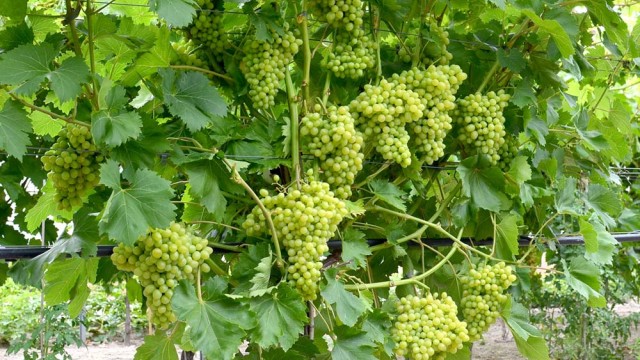
Posilňovanie prirodzenej obranyschopnosti viniča hroznorodého predstavuje základ moderného a udržateľného vinohradníctva. Namiesto jednostranného represívneho potláčania patogénov sa pozornosť presúva k systémovej podpore vitality rastlín, pôdnej mikrobiológie a vyváženej výživy. V tomto článku si objasníme, ako kombinácia cielenej agrotechniky a biologických elicitorov vytvára podmienky, v ktorých vinič vykazuje vyššiu mieru tolerancie voči biotickým faktorom aj abiotickým klimatickým stresom.
Agrotechnické a biologické faktory ovplyvňujúce odolnosť viniča
Prirodzená rezistencia viniča je kľúčovým faktorom stability produkcie, predovšetkým v systémoch s obmedzeným používaním syntetických pesticídov. Moderný fytosanitárny prístup preto smeruje od priameho potláčania patogénov k preventívnej podpore fyziologickej kondície rastlín. Cieľom je vytvoriť prostredie, ktoré eliminuje rozvoj hubových patogénov už v počiatočných štádiách.
Tento prístup integruje tri základné zložky:
- Cielenú agrotechniku (optimalizácia mikroklímy porastu).
- Vyváženú výživu (podpora mechanických a chemických bariér pletív).
- Aplikáciu biologických elicitorov (naštartovanie vlastnej imunity rastlín).
Agrotechnické opatrenia na zvýšenie prirodzenej imunity
Rez a zelené práce
Správne vykonaný zimný rez a následné zelené práce počas vegetácie zásadne ovplyvňujú mikroklímu v zóne listov a strapcov. Presvetlený a dobre prevzdušnený ker urýchľuje osychanie pletív po daždi alebo rose, čím sa skracuje obdobie listovej vlhkosti kritické pre infekciu patogénmi ako Plasmopara viticola (peronospóra viniča) alebo Botrytis cinerea (pleseň sivá). Cielená redukcia zahustenia letorastov a zálistkov tak priamo znižuje infekčný tlak v poraste.
Vedenie a tvarovanie kra
Vhodne zvolený pestovateľský tvar a dostatočná výška kmienka (umiestnenie zóny strapcov minimálne 80 cm až 1 meter nad povrchom pôdy) obmedzujú kontakt s prízemnou vlhkosťou a primárnymi zdrojmi infekcie z pôdy. Súčasne podporujú lepšie prúdenie vzduchu v medziradí, čo efektívne znižuje relatívnu vlhkosť v mikroklíme krov.
Pôda ako základ zdravotného stavu
Pôdne prostredie je určujúcim faktorom vitality viniča. Podpora pôdnej biologickej aktivity prostredníctvom aplikácie organickej hmoty (kompost, maštaľný hnoj) a pestovania medziplodín zvyšuje mikrobiálnu diverzitu v okolí koreňov. Táto mikrobiálna rovnováha prispieva k optimálnemu príjmu živín, vyššej stabilite vodného režimu a posilneniu nešpecifickej odolnosti rastlín.
Manažment medziradia: Ozelenenie a trvalý vegetačný kryt
Ozelenenie medziradia predstavuje kľúčový protierózny prvok, najmä na svahovitých pozemkoch typických pre mnohé vinohradnícke oblasti strednej Európy. Vegetačný kryt tlmí silu dopadajúceho dažďa, čím zabraňuje rozbíjaniu pôdnej štruktúry. Zároveň spomaľuje povrchový odtok vody a vďaka koreňom spevňuje pôdu na svojom mieste.
Tým sa výrazne obmedzuje splavovanie ornice, strata humusu a živín, ako aj zanášanie spodných častí parcely sedimentom. Súčasne sa zlepšuje infiltračná schopnosť, pôdna štruktúra a biologická aktivita pôdy, čo prispieva k dlhodobej úrodnosti a zvyšuje stabilitu a odolnosť vinohradu voči prívalovým zrážkam a extrémom počasia.
Vodný režim a fyziologická odolnosť
Nadmerná pôdna vlhkosť vedie k tvorbe mäkkých, vodnatých pletív s tenkou kutikulou, ktoré sú náchylnejšie na infekciu. Naopak, mierny a kontrolovaný vodný stres stimuluje biosyntézu sekundárnych metabolitov, spevňovanie bunkových stien a zvyšuje celkovú odolnosť rastlín voči biotickému stresu.
Regulácia úrody a fyziologická rovnováha
Preťaženie krov nadmernou násadou strapcov vedie k fyziologickému vyčerpaniu, nedostatočnému vyzrievaniu dreva a drastickému zníženiu obranyschopnosti. Udržanie rovnováhy medzi asimilačnou plochou a úrodou (pomer listová plocha / plod) je preto základným prvkom prevencie chorôb a dlhovekosti výsadby.
Biologická a fyziologická stimulácia obranyschopnosti
Mykorízne huby
Symbióza koreňov viniča s arbuskulárnymi mykoríznymi hubami (AMH) výrazne zlepšuje príjem fosforu a mikroelementov, zvyšuje toleranciu voči suchu a aktivuje obranné metabolické mechanizmy rastliny. Mykoríza tak nielen optimalizuje výživu, ale prostredníctvom indukovanej rezistencie nepriamo zvyšuje celkovú odolnosť viniča voči stresovým faktorom a patogénom.
Prospešné pôdne mikroorganizmy
Rast podporujúce baktérie (PGPR – Plant Growth-Promoting Rhizobacteria) a huby rodu Trichoderma aktívne kolonizujú koreňovú zónu. Vytvárajú tak prirodzenú konkurenciu patogénom, produkujú biologicky aktívne látky stimulujúce imunitný systém rastlín a zvyšujú biologickú dostupnosť živín v pôde.
Listová výživa mikroelementmi
Mikroelementy aplikované v chelátovej forme (najmä zinok, mangán, železo a stopové dávky medi) pôsobia ako kofaktory enzymatických procesov spojených s obrannými reakciami. Ich deficit oslabuje syntézu lignínu a spevňovanie bunkových stien, čo uľahčuje penetráciu húb do pletív.
Rastlinné extrakty a biostimulanty
Prípravky na báze morských rias, humínových a fulvových kyselín či fermentovaných rastlinných výluhov stimulujú metabolizmus, zvyšujú antioxidačnú kapacitu buniek a urýchľujú regeneráciu pletív po abiotickom strese (napr. krupobitie, úpal). Tieto látky často pôsobia ako elicitory, ktoré „prepínajú“ rastlinu do stavu zvýšenej pohotovosti a naštartujú imunitný systém.
Kremík (Si)
Aplikácia kremíka vo forme listových alebo pôdnych hnojív vedie k jeho ukladaniu pod kutikulu a tým k spevneniu bunkových stien, čím vytvára mechanickú bariéru proti prieniku patogénov do pletív. Okrem fyzickej ochrany kremík znižuje transpiráciu, čím zvyšuje odolnosť viniča voči suchu a teplotnému stresu.
Faktory oslabujúce prirodzenú obranyschopnosť
Medzi faktory, ktoré výrazne znižujú rezistenciu viniča, patrí najmä nadmerné hnojenie dusíkom, príliš zahustený ker, trvalo zamokrená pôda a nízky obsah organickej hmoty v pôdnom profile. Dlhodobé a jednostranné používanie systémových fungicídov môže navyše narúšať prirodzené metabolické procesy rastliny a viesť k oslabeniu jej vlastných imunitných mechanizmov.
Podpora prirodzenej obranyschopnosti viniča je výsledkom komplexného systému opatrení, ktoré zahŕňajú správne vedenie a rez kra, vyváženú výživu a cielenú podporu pôdnych organizmov. Takýto prístup zabezpečuje stabilnejší zdravotný stav vinohradu, výrazne znižuje potrebu liečebných chemických zásahov a predstavuje základný pilier pre dlhodobo udržateľné a ekonomicky efektívne vinohradníctvo.