



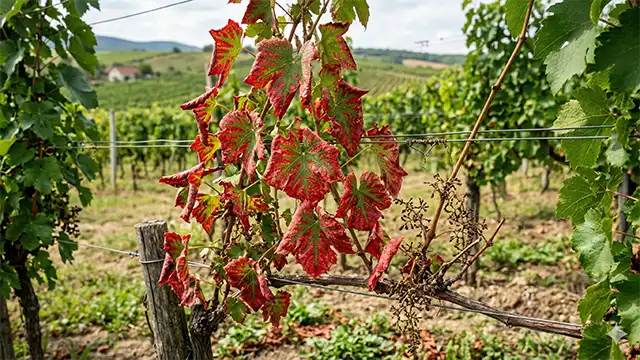
Zlaté žltnutie viniča (Flavescence dorée) patrí k najvážnejším hrozbám moderného vinohradníctva. Samotná fytoplazma (Grapevine flavescence dorée phytoplasma, FDp), ktorá ochorenie spôsobuje, je v podstate väzňom v lyku viniča – bez cudzej pomoci sa nedokáže pohnúť z miesta. Skutočná pohroma nastáva až vtedy, keď sa na scéne objaví jej komplic: cikádka viničová (Scaphoideus titanus). Tento drobný hmyz pri cicaní šťavy funguje ako vysoko efektívny prenášač, ktorý nákazu roznáša z kra na ker. Najnovšie výskumy však potvrdzujú, že nejde len o súboj medzi hmyzom a viničom. Do hry vstupuje celá okolitá krajina – od jelší pri potokoch až po zdivočené viniče v lesoch, ktoré slúžia ako skryté zásobárne nákazy. Práve toto prepojenie rozhoduje o tom, či zostane pri pár chorých kroch, alebo vypukne ničivá epidémia, ktorú dnes zažívame.
Pôvod ochorenia
Dlho sa predpokladalo, že zlaté žltnutie bolo do Európy zavlečené z Ameriky spolu s podpníkmi, no molekulárna genetika tento mýtus vyvrátila. Fytoplazmy skupín 16SrV-C a 16SrV-D sú pôvodné európske organizmy. Ich prirodzeným rezervoárom sú európske jelše (Alnus glutinosa, Alnus incana), plamienok plotný (Clematis vitalba) a invázny pajaseň žliazkatý (Ailanthus altissima). K vzniku ničivej epidémie došlo až v momente, keď tento domáci európsky patogén prišiel do kontaktu s inváznou severoamerickou cikádkou Scaphoideus titanus, zavlečenou do Európy začiatkom 20. storočia. Tento hmyz, ktorý je prísne viazaný na vinič (monofág), získal fytoplazmu z divej prírody – pravdepodobne prostredníctvom iných, polyfágnych vektorov ako cikádka japonská Orientus ishidae alebo cikádka jelšová Oncopsis alni, ktoré ju preniesli z jelší na vinič – a začal ju masívne šíriť v rámci vinohradov (OIV, 2025; OGGIER et al., 2024).
Čo je fytoplazma Flavescence dorée a prečo je nebezpečná
Fytoplazmy sú extrémne špecializované mikroorganizmy zo skupiny Mollicutes, príbuzné baktériám. Nedisponujú bunkovou stenou, majú výrazne zredukovaný genóm a sú striktne parazitické – dokážu prežiť výhradne v hostiteľskej rastline alebo v tele hmyzieho vektora. Pri Flavescence dorée ide o fytoplazmy skupiny 16SrV (najmä podskupiny 16SrV-C a 16SrV-D), ktoré sú v Európe klasifikované ako karanténne patogény a podliehajú povinnému monitoringu i fytosanitárnym opatreniam (EFSA 2016; OIV 2025).
Kľúčová vlastnosť Flavescence dorée: Kolonizuje a poškodzuje výhradne lyko (floém) – vodivé pletivo zodpovedné za transport asimilátov (cukrov). Keď sa integrita lyka naruší činnosťou parazita, rastlina začne trpieť deficitom asimilátov. To vedie k typickým symptómom žltnutia pri bielych odrodách a červenania pri modrých. Výrazne sa zhoršuje vyzrievanie letorastov, dramaticky klesá kvalita aj kvantita úrody. Bez prítomnosti vektora však fytoplazma zostáva izolovaným problémom jedného kra – na vznik epidémie je nevyhnutný hmyzí prenášač.
Symptomatika: Čo si všímať vo vinohrade
Príznaky napadnutia fytoplazmou Flavescence dorée možno pozorovať na celom kre viniča alebo len na jednotlivých výhonkoch či ich častiach. Infikované kry bývajú v poraste rozmiestnené nepravidelne (ohniskovo). Intenzita príznakov sa môže v jednotlivých rokoch líšiť – niekedy klesá, inokedy prudko stúpa.
Najtypickejšie príznaky na listoch
- Farebné zmeny: žltnutie pri bielych odrodách, červenanie pri modrých. Medzi žilnatinou sa často objavujú nekrózy.
- Zmena textúry a tvaru: listy sú krehké, majú charakteristický kovový lesk a ich okraje sa typicky stáčajú smerom nadol (tvar strechy).
Príznaky na letorastoch a strapcoch
- Nedostatočné vyzrievanie letorastov: Výhonky vykazujú nepravidelné vyzrievanie (striedanie zelených a drevnatých zón), počas zimy černejú a odumierajú.
- Degradácia súkvetí a plodov: Kvetné stopky zasychajú, bobule sa scvrkávajú, majú výrazne nižšiu cukornatosť a neprirodzene vysoký obsah kyselín v porovnaní so zdravou úrodou.
Upozornenie: Podobné symptómy (napr. žltnutie listov) môžu spôsobovať aj iné fytoplazmy (napr. Stolbur), virózy, fyziologický stres či nutričné deficity. Pri podozrení na Flavescence dorée je nevyhnutná laboratórna diagnostika, nakoľko ide o regulovaný karanténny patogén (EFSA 2016; OIV 2025).
Mechanizmus prenosu fytoplazmy
Vektor sa po nasatí infikovanej šťavy z lyka nestáva infekčným okamžite. Vyžaduje tzv. latentnú periódu (spravidla niekoľko týždňov), počas ktorej fytoplazma migruje telom hmyzu, osídľuje slinné žľazy a replikuje sa (množí sa). Od tohto momentu zostáva hmyz infekčným až do konca svojho životného cyklu (OIV 2025).
Proces infekcie vektora: kľúčové fázy
- Akvisícia (príjem): Fytoplazma preniká do stredného čreva hmyzu počas cicania na infikovanej rastline.
- Penetrácia črevnej steny: Rozhodujúcim faktorom je povrchový proteín fytoplazmy VmpA, ktorý slúži ako adhezín – umožňuje patogénu prichytiť sa na epitelové bunky čreva.
- Migrácia a kolonizácia: Po prekonaní črevnej bariéry sa fytoplazma šíri hemolymfou (tekutina nahrádzajúca krv hmyzu) a selektívne osídľuje bunky slinných žliaz.
- Inokulácia (prenos): Pri ďalšom cicaní na zdravej rastline je fytoplazma Flavescence dorée vstreknutá spolu so slinami priamo do lyka (floému).
Scaphoideus titanus: Dominantný vektor epidémie
Cikádka viničová (Scaphoideus titanus Ball) je primárnym vektorom zodpovedným za rýchle sekundárne šírenie patogénu v rámci vinohradov. Tento severoamerický druh bol do Európy zavlečený začiatkom 20. storočia (pravdepodobne s podpníkovým materiálom). Jeho epidemiologický význam spočíva v úzkej trofickej väzbe na rod Vitis, čo z neho robí najefektívnejšieho šíriteľa nákazy v európskych podmienkach (EFSA 2016; OIV 2025).
Životný cyklus a bionómia
- Generácia: Druh je univoltinný (vytvára jednu generáciu ročne).
- Prezimovanie: Samičky kladú vajíčka koncom leta pod kôru dvojročného a staršieho dreva, kde prekonávajú zimnú diapauzu.
- Liahnutie a vývoj: Nymfy sa liahnu v priebehu mája a prechádzajú piatimi vývojovými štádiami (instarmi). Zdržiavajú sa najmä na spodnej strane listov a na bazálnych výmladkoch kmeňa.
- Dospelce (imága): Po dosiahnutí dospelosti a ukončení latentnej periódy aktívne šíria infekciu v celom vinohrade.
Pokročilé štúdie využívajúce elektropenetrografiu (EPG) preukázali, že Scaphoideus titanus je schopný prijímať zmes štiav z lyka (floému) aj dreva (xylému). Tento poznatok je kľúčový, pretože naznačuje teoretický potenciál vektora prenášať aj iné nebezpečné patogény viazané na drevné cievy, ako je napríklad Xylella fastidiosa (Chuche et al. 2017; Gonella et al. 2024).
Vzostup alternatívnych vektorov: Komplexnejšia sieť šírenia
Kým Scaphoideus titanus je hlavnou príčinou sekundárneho šírenia (z kra na ker) priamo vo vinohrade, moderná epidemiológia čoraz viac zdôrazňuje význam primárnej infekcie – teda vnosu fytoplazmy Flavescence dorée z okolia vinohradu, ako sú nelesná drevinová vegetácia alebo opustené parcely. V tomto procese zohrávajú kľúčovú úlohu polyfágne a alternatívne vektory, ktoré sa vyvíjajú na divo rastúcich hostiteľoch a do vinohradov zalietavajú len sporadicky (EFSA 2016; OIV 2025).
Cikádka japonská (Orientus ishidae): Prepojenie medzi lesom a vinohradom
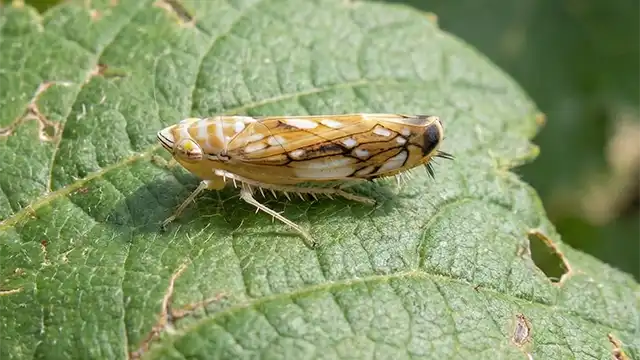
Ázijský druh cikádka japonská (Orientus ishidae) je v Európe intenzívne skúmaný ako významný alternatívny vektor Flavescence dorée. Výskumy vo Švajčiarsku, Taliansku a Nemecku potvrdili, že tento druh býva často prirodzene infikovaný a je schopný fytoplazmu úspešne prenášať. Na rozdiel od monofágnej cikádky viničovej sa Orientus ishidae vyvíja na širokom spektre drevín, najmä na lieskach (Corylus avellana) a vŕbach (Salix spp.), odkiaľ dospelé jedince migrujú do produkčných vinohradov (OGGIER et al., 2024; GUERRIERI et al., 2024; JARAUSCH et al., 2024).
Ostročielka zelenkastá (Dictyophara europaea) a plamienok
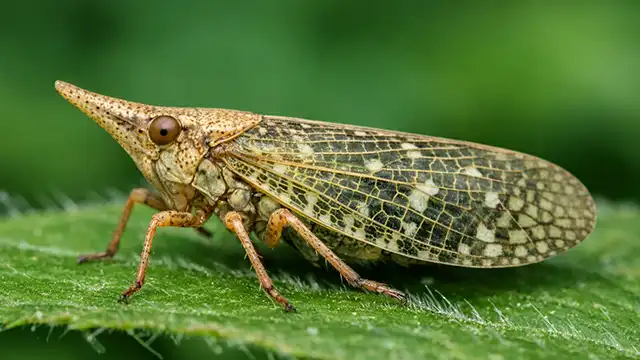
V európskych podmienkach bol popísaný infekčný cyklus, v ktorom fytoplazma Flavescence dorée cirkuluje v populáciách plamienka plotného (Clematis vitalba). Jej prenos na vinič sprostredkúva ostročielka zelenkastá (Dictyophara europaea). Táto prenosová línia je kľúčová pre pochopenie diverzity fytoplaziem príbuzných Flavescence dorée v prírodných biotopoch. Zároveň vysvetľuje, prečo sa nové ohniská nákazy môžu objaviť aj v lokalitách s precíznym manažmentom cikádky viničovej (Filippin et al. 2009; CABI compendium 2024).
Jelše ako rezervoár a úloha pôvodných druhov cikádok
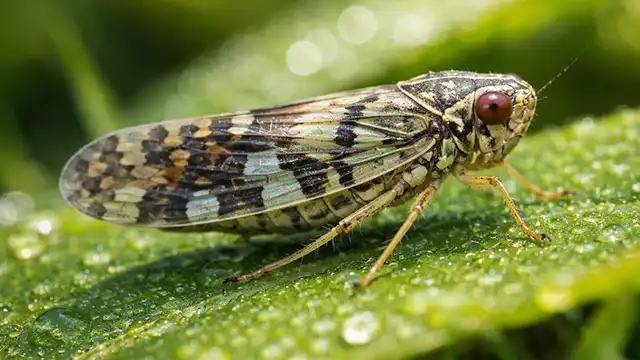
Značná časť populácií fytoplaziem skupiny 16SrV je v Európe rozšírená v prirodzených ekosystémoch, predovšetkým na jelšiach (Alnus spp.), často bez manifestácie zjavných príznakov. Riziko spočíva v tom, že prítomnosť vhodného vektora v regiónoch s jelšovými porastmi môže iniciovať vstup patogénu do vinohradníckeho systému. Rozsiahle prenosové experimenty v Nemecku poukázali na význam cikádok rodu Allygus spp. a cikádky jelšovej (Oncopsis alni), ktoré sú kľúčové pre cirkuláciu fytoplazmy v populáciách jelší. Zatiaľ čo Oncopsis alni je striktne viazaná na jelšu, druhy rodu Allygus sú polyfágne a môžu fytoplazmu preniesť z jelší na iné hostiteľské rastliny, čím otvárajú cestu k následnej infekcii viniča (JARAUSCH et al., 2024; JOVIĆ et al., 2024).
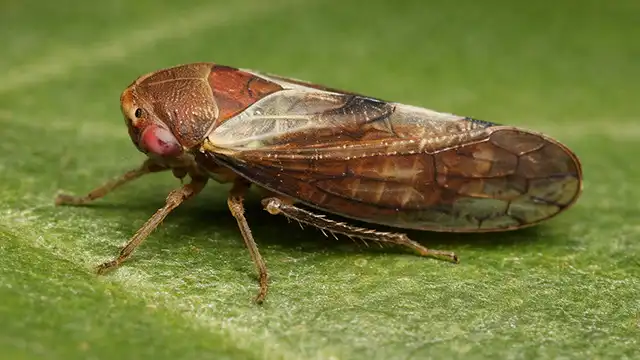
Vektory útočia z okolitých porastov
Jedným z najpresvedčivejších dôkazov, že Flavescence dorée nie je len problémom samotných viníc, je tzv. hraničný efekt (border effect). Štúdie z Talianska (Piemont, Friuli Venezia Giulia) opakovane potvrdili, že výskyt symptomatických krov, ako aj hustota populácie hmyzieho vektora Scaphoideus titanus, sú výrazne vyššie na okrajoch vinohradov susediacich s lesmi alebo opustenými plochami. Smerom do vnútra výsadby intenzita napadnutia klesá (PAVAN et al., 2012; RIPAMONTI et al., 2020).
Výskum pomocou metódy spätného odchytu (mark-capture) preukázal, že hoci Scaphoideus titanus nie je silný letec a 80 % dospelých jedincov prekoná vzdialenosť len do 30 metrov, niektoré jedince dokážu preletieť až 330 metrov (OIV, 2025). Ak sa v tomto rádiuse nachádza externý zdroj nákazy, vinohrad je v priamom ohrození.
Divo rastúci vinič ako rezervoár nákazy
Najväčším bezprostredným nebezpečenstvom pre zdravé produkčné celky sú opustené vinohrady a zdivočené americké podpníky (napr. Vitis riparia, Vitis rupestris a ich hybridy) rastúce v priľahlej krajine. Tieto rastliny sú voči fytoplazme Flavescence dorée vysoko vnímavé, no na rozdiel od európskeho viniča (Vitis vinifera) často nevykazujú žiadne viditeľné symptómy (OIV, 2025). Poskytujú tak ideálne prostredie pre masívnu reprodukciu cikádky viničovej, ktorá sa tu vyvíja bez tlaku insekticídov. Štúdia z Piemontu ukázala, že podiel infikovaných jedincov Scaphoideus titanus ulovených v divej vegetácii bol až 48 %, kým priamo vo vinohrade to bolo 34 % (RIPAMONTI et al., 2020). Tieto liany tak tvoria permanentný rezervoár infekčných vektorov nalietavajúcich do hospodárskych výsadieb.
Zmena paradigmy: Otvorený epidemiologický cyklus
Tieto zistenia vedú k zásadnej zmene v chápaní epidemiológie Flavescence dorée. Odborníci dnes rozlišujú dva typy šírenia (BOSCO, 2024):
Sekundárne šírenie (uzavretý cyklus): Prenos z chorého kra na zdravý v rámci vinohradu. Hlavnou príčinou tohto cyklu je výlučne cikádka viničová (Scaphoideus titanus).
Primárne šírenie (otvorený cyklus): Prenos fytoplazmy z divo rastúcich rastlín (jelše, liesky, plamienok) do vinohradu. Tento vnos zabezpečujú polyfágne alternatívne vektory (ako Orientus ishidae, Dictyophara europaea či Oncopsis alni), ktoré sa nakazia v prírode a následne migrujú do vinohradu. Akonáhle infikujú prvé kry viniča, iniciujú zdroj, ktorého sa chopí Scaphoideus titanus a spustí lokálnu sekundárnu epidémiu.
Ochrana začína za hranicou vinohradu
Ak je vinohrad ohrozovaný z vonkajšieho prostredia, ochrana sa musí presunúť aj za jeho hranice. Tento prístup sa označuje ako Habitat Management (HM). Keďže v lesných porastoch a na neobhospodarovaných plochách je aplikácia insekticídov spravidla neprípustná, kľúčovým riešením sú cielené mechanické zásahy do krajiny.
Lieska a Orientus ishidae
Prípadová štúdia zo Švajčiarska (kantón Ticino) testovala efekt cieleného zásahu do porastov liesky pri okrajoch viníc. Odstránenie bazálnych výmladkov liesky obyčajnej (Corylus avellana), ktorá slúži ako hostiteľ a úkryt pre cikádku japonskú (Orientus ishidae), prinieslo významné výsledky. Potvrdilo sa, že tento manažment biotopu dokáže dramaticky znížiť lokálny tlak vektora a minimalizovať riziko primárneho vnosu fytoplazmy Flavescence dorée do hospodárskych výsadieb (Oggier et al. 2025).
Dôležitý praktický detail: Habitat management nie je jednorazové opatrenie, ale dlhodobý režim údržby krajiny. Musí byť v súlade s ochranou biodiverzity a lokálnymi predpismi pre nakladanie s nelesnou drevinovou vegetáciou.
Integrovaná stratégia ochrany proti Flavescence dorée
Úspešný boj proti zlatému žltnutiu vyžaduje kombináciu opatrení zameraných na oba typy šírenia patogénu – vnútri vinohradu aj v okolitej krajine:
Ochrana vo vinohrade (eliminácia sekundárneho šírenia)
- Precízny monitoring vektora: Pravidelné sledovanie výskytu nymf a dospelcov pomocou žltých lepových dosiek a vizuálnych kontrol. Fytosanitárne zásahy musia byť realizované v presnom časovom okne podľa bionómie cikádky viničovej.
- Dôsledná eradikácia infekčných zdrojov: Okamžité odstraňovanie a bezpečná likvidácia symptomatických krov podľa karanténnych predpisov platných v danej oblasti.
- Inovatívne nechemické technológie: Perspektívu predstavujú nechemické metódy ako je vibračné mätenie párenia (VMD), ktoré narúša akustickú komunikáciu hmyzu a efektívne bráni jeho reprodukcii bez použitia insekticídov.
Ochrana v okolí vinohradu (eliminácia primárnej infekcie)
Keďže nákaza často nalietava z okolitej krajiny, hygiena musí pokračovať aj za plotom vinice:
- Mapovanie rizikových zón: Identifikácia opustených viníc, zdivočeného viniča v lesoch, krovinatých okrajov, jelšových porastov a hostiteľských drevín pre alternatívne vektory. Ich odstránenie v okolí 300 metrov od produkčného vinohradu je kľúčové.
- Cielený habitat management - eliminácia rizika z okolitých porastov: Praktická aplikácia habitat managementu (HM) sa zameriava na narušenie životného cyklu alternatívnych vektorov v bezprostrednej blízkosti vinohradov. Najväčšiu pozornosť si vyžaduje lieska obyčajná (Corylus avellana), ktorá slúži ako hlavný hostiteľ pre cikádku japonskú (Orientus ishidae).
- Mechanizmus zásahu: Habitat management sa nerealizuje plošne v celom lese, ale sústreďuje sa na nárazníkové zóny v šírke 30 – 100 metrov od okraja vinohradu. Ide o mechanické čistenie okrajov lesov, remízok a krovinatých medzí od mladých náletov a bazálnych výmladkov hostiteľských drevín. Práve na týchto mladých výhonkoch sa liahnu a vyvíjajú alternatívne prenášače. Cielená eliminácia týchto prútov v kritickom období (pred dosiahnutím dospelosti hmyzu) dramaticky znižuje lokálnu populáciu vektora. Tým sa minimalizuje počet dospelcov, ktoré by po vyvinutí krídel migrovali do vinohradu a infikovali vinič fytoplazmou Flavescence dorée nasatou z liesky.
- Ekologický benefit: Na rozdiel od plošného odstraňovania celých krovín, selektívna eliminácia výmladkov ponecháva staršie dreviny nedotknuté. Tým sa zachováva biodiverzita a hniezdne možnosti pre vtáctvo, zatiaľ čo sa efektívne potláča epidemiologické riziko pre vinič.
- Susedská spolupráca: Boj so zlatým žltnutím nevyhrá sám jeden vinohradník. Ak váš sused nechá svoju parcelu spustnúť, jeho zdivočený vinič ohrozuje vašu úrodu. Ochrana musí byť koordinovaná v celom regióne.
- Správne načasovanie: Mechanickú likvidáciu bazálnych výmladkov v okolí vinice vykonajte v priebehu mája. Práve vtedy zasiahnete nymfy prenášačov v najcitlivejšom štádiu.
- Likvidácia dreva: Infikované kry po vyklčovaní nenechávajte na hromade pri vinohrade. Stará kôra môže hostiť vajíčka cikádky, ktoré na jar dokončia cyklus. Drevo je potrebné čo najskôr zlikvidovať (spáliť/zoštiepkovať).
- Pôvod sadeníc: Základom prevencie zostáva zdravý výsadbový materiál. Vyžadujte rastlinolekársky pas, ktorý potvrdzuje testovanie na prítomnosť karanténnych fytoplaziem.
Zhrnutie: Nový pohľad na ochranu viniča
Éra, kedy stačilo v správnom čase postriekať vinohrad proti cikádke viničovej, sa končí. Zlaté žltnutie viniča predstavuje komplexnú výzvu. Pochopenie, že vinohrad nie je izolovaný ostrov, ale súčasť širšej krajiny, je prvým krokom k úspešnému zvládnutiu tejto karanténnej hrozby.
Čo si z toho odniesť? Úspešná stratégia dnes stojí na dvoch pilieroch: dôslednej hygiene vo vnútri vinohradu (monitoring a odstraňovanie chorých krov) a aktívnej správe jeho okolia. Budúcnosť patrí technológiám, ktoré rozumejú biológii hmyzu – či už ide o rušenie ich komunikácie vibráciami alebo cielené zásahy do ich prirodzených úkrytov v krajine. Iba tak dokážeme túto karanténnu hrozbu udržať pod kontrolou.