



Udržateľné vinohradníctvo sa čoraz viac opiera o biologické procesy v pôde. Baktérie Rhizobium a Azotobacter predstavujú prirodzený nástroj zvyšovania úrodnosti, podpory výživy viniča a znižovania závislosti od syntetických hnojív. V tomto článku si objasníme, ako môže ich integrácia do medziradového ozelenenia prinášať ekologické aj ekonomické benefity pre moderný vinohrad.
Baktérie Rhizobium a Azotobacter vo vinohrade
V udržateľnom vinohradníctve predstavuje trvalý vegetačný kryt v medziradí základný prvok nielen protieróznej ochrany a zlepšovania pôdnej štruktúry, ale aj podpory biologických procesov v pôde. V tomto kontexte zohrávajú významnú úlohu prospešné pôdne baktérie, ako sú Rhizobium a Azotobacter, ktoré môžu pri aplikácii do medziradového ozelenenia výrazne podporiť výživu rastlín, zlepšiť biologickú aktivitu pôdy a prispieť k zmierňovaniu klimatických zmien.
Výživa prostredníctvom biologickej fixácie dusíka
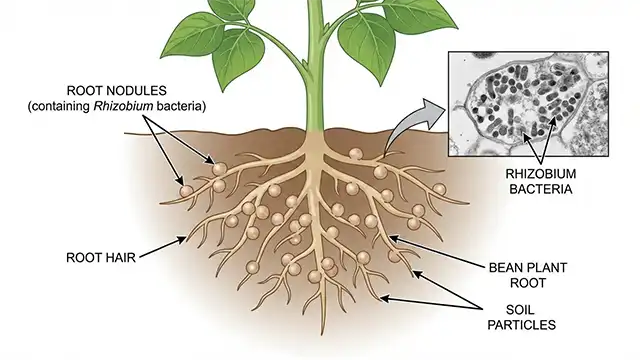
Dusík (N) patrí medzi najdôležitejšie živiny limitujúce rast rastlín. V tradičnom vinohradníctve je jeho zdrojom najmä pôda a minerálne hnojivá. Zaradenie bôbovitých medziplodín (napr. ďatelina, lucerna, vika, bôb a i.) do medziradia umožňuje využívať biologickú fixáciu dusíka prostredníctvom symbiózy s hrčkotvornými baktériami rodu Rhizobium.
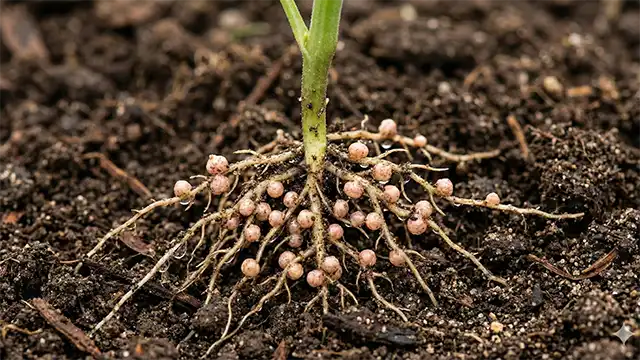
Baktérie Rhizobium vytvárajú s koreňmi bôbovitých rastlín špecializované symbiotické štruktúry – koreňové hrčky. V nich dochádza k premene atmosférického dusíka (N2) na amoniak, ktorý je rastlinám priamo dostupný. Takto viazaný dusík sa po rozklade biomasy dostáva do pôdy a obohacuje celý agroekosystém vinohradu bez potreby vysokých dávok syntetických hnojív.
Na rozdiel od rodu Rhizobium sú baktérie rodu Azotobacter voľne žijúce aeróbne mikroorganizmy schopné fixovať dusík bez vytvárania symbiotických hrčiek. Pôsobia priamo v pôde a zvyšujú jej biologickú úrodnosť. Okrem fixácie dusíka produkujú aj rastové regulátory (fytohormóny), vitamíny a ďalšie bioaktívne látky, ktoré stimulujú rast koreňov a zlepšujú príjem živín.
Podpora pôdnej biológie a mikrobiálnych spoločenstiev
Trvalé ozelenenie medziradia, najmä s podielom bôbovitých druhov, vytvára ideálne prostredie pre rozvoj bohatej pôdnej mikrobiálnej komunity. Inokulácia baktériami Rhizobium podporuje tvorbu koreňovej biomasy a akumuláciu organických zvyškov, ktoré po zapracovaní do pôdy zvyšujú obsah organickej hmoty a slúžia ako zdroj energie pre ďalšie mikroorganizmy.
Výsledkom je vyššia mikrobiálna aktivita, lepšia agregácia pôdnych častíc, stabilnejšia pôdna štruktúra a efektívnejší kolobeh živín. Zároveň sa zlepšuje infiltračná schopnosť pôdy, jej vododržnosť a odolnosť voči zhutňovaniu.
Azotobacter prispieva k biologickej rovnováhe pôdy nielen fixáciou dusíka, ale aj produkciou polysacharidov a látok podporujúcich tvorbu pôdnych agregátov. Podporuje tak vznik stabilných pôdnych štruktúr a vytvára priaznivé podmienky pre ďalšie prospešné mikroorganizmy.
Potenciál zmierňovania klimatických zmien
Používanie baktérií Rhizobium a Azotobacter v systémoch medziradového ozelenenia má významný klimatický rozmer. Výroba syntetických dusíkatých hnojív je energeticky náročná a spojená s vysokými emisiami CO2. Ich nadmerná aplikácia môže viesť k emisiám oxidu dusného (N2O), ktorý patrí medzi silné skleníkové plyny.
Biologická fixácia dusíka znižuje potrebu minerálnych hnojív, a tým aj uhlíkovú stopu vinohradníctva. Niektoré kmene Rhizobium disponujú enzymatickými mechanizmami umožňujúcimi redukciu N2O na inertný N2, čím môžu priamo prispievať k znižovaniu emisií skleníkových plynov z pôdy.
Trvalý vegetačný kryt zároveň podporuje akumuláciu organického uhlíka v pôde. Vyššia koreňová biomasa a mikrobiálne zvyšky prispievajú k sekvestrácii uhlíka, čo predstavuje jeden z kľúčových nástrojov klimaticky inteligentného vinohradníctva.
Praktické odporúčania pre vinohrady
Pre dosiahnutie maximálneho efektu je vhodné zaradiť do medziradových zmesí bôbovité rastliny inokulované vhodnými kmeňmi baktérií Rhizobium. Kľúčovým faktorom je kompatibilita baktérií s konkrétnym druhom rastliny, ako aj zabezpečenie priaznivých pôdnych podmienok (optimálne pH, dostatok organickej hmoty a primeraná vlhkosť pôdy).
Podporu populácií rodu Azotobacter možno dosiahnuť obmedzením intenzívneho obrábania pôdy, pravidelnou aplikáciou organických hnojív a udržiavaním trvalého vegetačného krytu.
Integrácia baktérií Rhizobium a Azotobacter do systému ozelenenia medziradia predstavuje účinný nástroj na zlepšenie výživy rastlín, zvýšenie biologickej aktivity pôdy a zníženie environmentálnej záťaže vinohradníctva. Kombinácia biologickej fixácie dusíka, podpory pôdnej štruktúry a sekvestrácie uhlíka vytvára pevný základ pre dlhodobo udržateľný a klimaticky odolný vinohradnícky systém.