



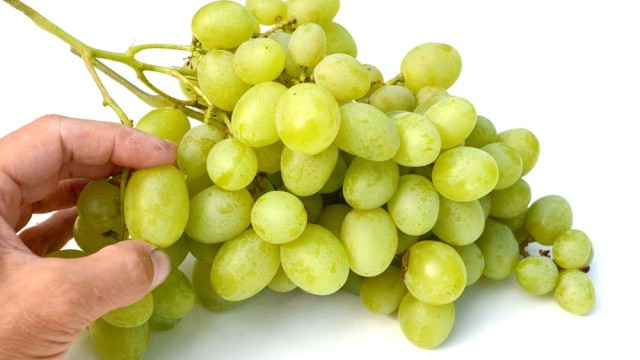
Die Suche nach der perfekten Traube: Gibt es die beste Sorte?
Glauben Sie, dass es eine resistente Tafeltraubensorte mit so idealen Eigenschaften gibt, dass sie dazu bestimmt ist, die beste von allen zu sein? Ist es überhaupt gerechtfertigt, eine solche Frage zu stellen? Schließlich ist der Weinbau ein Paradebeispiel für das ständige Zusammenspiel zwischen genetischer Disposition und den sich fortlaufend verändernden Umweltfaktoren.
Es scheint, als würden wir uns der „idealen“ Sorte zwar immer weiter annähern, sie jedoch nie ganz erreichen – trotz der zahlreichen bemerkenswerten Neuheiten, die jedes Jahr erscheinen.
Plastische und anpassungsfähige Tafeltraubensorten
Für uns Winzer ist es entscheidend, die anbautechnischen Eigenschaften einer neuen, gewissermaßen „rohen“ Sorte auf dem eigenen Standort rasch zu beurteilen. Es geht darum, das genetische Potenzial einer Sorte mit den spezifischen Boden- und Klimabedingungen des Standorts in Einklang zu bringen. In der Praxis bedeutet das: Wenn das eigene Grundstück nicht ideal ist, wird man es kaum gegen ein besseres eintauschen. Daher ist es deutlich sinnvoller, nach „plastischen“ bzw. anpassungsfähigen Sorten zu suchen, die keine übermäßig hohen Ansprüche an den Standort stellen.
Die Kraft der Klonenselektion
Haben Sie schon einmal über die wahre Bedeutung der „Klonenselektion“ nachgedacht? Dieses vielversprechende Züchtungsfeld kann bestimmte genetische Schwächen neuer Tafeltraubensorten korrigieren. Ziel ist es, vielversprechende Klone zu identifizieren und deren Leistungsmerkmale gezielt zu verbessern.
Interessanterweise wird eine Sorte (oder ihr Klon) durch vegetative Vermehrung gewissermaßen „genetisch älter“ und widerstandsfähiger gegenüber Mutationen. Genetische Merkmale stabilisieren sich häufig erst nach einer längeren Phase kontinuierlicher vegetativer Vermehrung. Eine junge Sorte – insbesondere wenn sie aus interspezifischer Kreuzung hervorgegangen ist – ist daher oft genetisch noch instabil und trägt ein Mosaik von Eigenschaften unterschiedlicher Vorfahren in sich.
Ein zentrales Thema der Klonenselektion bleibt die richtige Wahl des Vermehrungsmaterials. Bei einer neuen Sorte sind in der Regel nur 10–12 Augen am einjährigen Trieb (nach der letzten Traube) für die vegetative Vermehrung geeignet. Knospen, die weiter von der Wurzel entfernt sind, neigen stärker zu genetischen Variationen und bleiben nicht immer sortenecht.
Das Geheimnis der genetischen Stabilität
Wie lange dauert es, bis ein Winzer sicher sein kann, dass eine Sorte genetisch stabil ist? Eine präzise Definition gibt es nicht – die Meinungen in Fachkreisen gehen auseinander.
Das Leben ist nicht statisch, und die Natur befindet sich in ständigem Wandel. Deshalb vermehren Züchter junge Sorten mit besonderer Aufmerksamkeit hinsichtlich möglicher Instabilitäten. Durch konsequente züchterische Praxis – vom ursprünglichen Sämling über die Tochterreben – werden die besten Eigenschaften schrittweise im Klon konzentriert. Entscheidend ist die Auswahl von Augen kräftiger, junger und gut entwickelter Reben mit höchsten Qualitätsmerkmalen.
Mitunter kann es aufgrund genetischer Instabilität sogar vorkommen, dass eine neue Sorte nach der Veredelung auf eine Unterlage Eigenschaften der Unterlage annimmt. So kann beispielsweise die Sorte Arkadia bei Veredelung auf Vitis riparia übermäßig dichte Trauben oder leicht deformierte Beeren entwickeln. In einem anderen Fall veränderte sich die Sorte Ananasny während der Veredelung so stark in Beerenform und -farbe, dass sie praktisch zu einer neuen Sorte wurde.
Die Tafeltraubensorte Talisman und ihre Klone
Die Bedeutung genetischer Stabilität und das Potenzial klonaler Variabilität werden besonders anschaulich durch eine Geschichte von Nikolaj Prokhorovitsch Budjak, einem Hobbyzüchter aus der Ukraine.
In den 1990er-Jahren brachte der bekannte Weinbaupraktiker S. H. Leonov die Sorte Talisman vom Züchter I.O. Kostrikin aus Nowotscherkassk in die Ukraine. Zum Test veredelte Herr Budyak sie auf einen alten Stock von Damaskaja Roza sowie auf einen Stock der Sorte Izjuminka. Bereits im darauffolgenden Jahr erschienen die ersten Früchte – groß, oval und ohne „Verrieselung“ (Millerandage).
Mit der Zeit bemerkte er, dass die auf Izyuminka veredelte Rebe länglichere Beeren hervorbrachte. Weitere Beobachtungen zeigten Unterschiede nicht nur in der Form, sondern auch in der Reifezeit und im Zuckergehalt. Infolgedessen isolierte er drei eigenständige Klone: Talisman Stimul, Talisman Pamjati Leonova und Talisman Ovalnyj.
Diese Klone zeichnen sich durch sehr große Beeren (bis zu 42 × 31 mm), ausgezeichnete Befruchtung und geringe Samenanzahl aus. Einige reifen bereits Mitte August und können lange am Stock hängen bleiben, wobei sich ihr Geschmack weiter verbessert.
Was lässt sich daraus schließen? Sorten wie Talisman und ihre herausragenden Klone zählen zu den vielversprechendsten Perspektiven für einen intensiven Weinbau. In einem Versuch erzielte der Klon Talisman Ovalnyj einen beeindruckenden Ertrag von 40 kg pro Rebe – ohne Qualitätsverlust.
Letztlich wird jeder Winzer – mit etwas Glück – die Sorte finden, die am besten zu ihm passt. Angesichts der vielfältigen Landschaften in Regionen wie der Slowakei werden unsere Weinberge stets ein reiches Mosaik unterschiedlicher Sorten bleiben.
Kehren wir also zur ursprünglichen Frage zurück: „Welche resistente Tafeltraubensorte ist die beste?“
Die Antwort ist einfach: Diejenige, die in Ihrem eigenen Weinberg wächst.