



Formovanie mrazuvzdorného genofondu viniča v euroázijskom priestore
Historický základ šľachtenia interšpecifických hybridov viniča v euroázijskom priestore položil Ivan Vladimirovič Mičurin, ktorý ako jeden z prvých systematicky pracoval s krížením európskych odrôd druhu Vitis vinifera s americkými druhmi viniča. Následne boli tieto hybridné populácie spätne krížené s druhom Vitis amurensis, čím sa do genofondu kultúrneho viniča podarilo stabilne včleniť gény vysokej mrazuvzdornosti.
Jedným z prvých významných výsledkov tejto línie bol kultivar Severnyj, ktorý sa stal donorom odolnosti v ďalších šľachtiteľských cykloch. Tieto odrody boli často označované ako priamorodiace hybridy („samorodáky“), keďže v mnohých prípadoch umožňovali pestovanie na vlastných koreňoch bez potreby vrúbľovania na podpníky odolné voči fyloxére.
Interšpecifické hybridy prvej generácie a ich limity v Európe
Paralelne prebiehali aj kríženia Vitis vinifera × Vitis labrusca, z ktorých vznikla skupina odrôd typu Isabella. Hoci priniesli zvýšenú adaptabilitu, ich senzorický profil a technologické vlastnosti nevyhovovali európskym vinárskym štandardom. Okrem toho sa objavili fytosanitárne obavy spojené s citlivosťou na listovú formu fyloxéry a diskusie o prítomnosti nežiaducich aromatických látok. To viedlo v niektorých krajinách k legislatívnym obmedzeniam ich pestovania, čo však nezastavilo ďalší vývoj interšpecifického šľachtenia.
Na scénu vstupujú Bertille Seyve a Victor Villard
Medzitým vo Francúzsku pokračovala práca s komplexnejšími hybridnými kombináciami zahŕňajúcimi druhy Vitis lindsekumii a Vitis rupestris. Cieľom bolo prekonať senzorické limity skorších labruska hybridov pri súčasnom zachovaní zvýšenej odolnosti voči nepriaznivým abiotickým aj biotickým faktorom. Výsledné genotypy už vykazovali podstatne lepšiu kvalitu muštu a vína a stali sa východiskovým materiálom pre ďalšie šľachtiteľské programy vo východnej Európe.
Zásadný posun nastal v 60. rokoch 20. storočia, keď sa do hybridizačných schém dostali aj francúzske selekcie dvojice šľachtiteľov Seyve - Villard. Prvou odrodou použitou v krížení bol dnes už legendárny Villard Blanc (SV 12-375). Ďalšie kríženie týchto odrôd s genotypmi obsahujúcimi podiel Vitis amurensis umožnilo vznik skupiny dnes označovanej ako komplexne rezistentné interšpecifické odrody, resp. PIWI kultivary.
Tieto odrody kombinujú zvýšenú mrazuvzdornosť (približne do −26 °C), relatívne vysokú toleranciu voči hubovým patogénom a nižšie teplotné nároky na diferenciáciu plodných očiek (cca 18–20 °C), čo predstavuje významnú fyziologickú výhodu oproti čistým genotypom Vitis vinifera, ktoré vyžadujú podstatne vyššie teplotné sumy. Bertille Seyve a Victor Villard vyšľachtili prelomové odrody hybridného viniča, bez ktorých by sa nekôr vyšľachtenie mnohých odrôd neuskutočnilo.
Konečne sa objavujú prvé hybridné odrody stolového hrozna
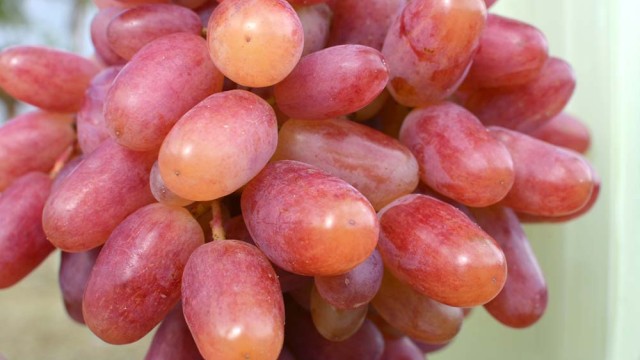
Začlenením komplexne rezistentných genotypov do vlastných schém kríženia dosiahli viaceré šľachtiteľské pracoviská významné úspechy. Moldavský výskum priniesol stolovú odrodu Kodrianka, ukrajinská škola (ústav V. E. Tairova) kultivar Original a Všeruský vinohradnícky ústav J. I. Potapenka v Novočerkasku vytvoril odrodu Vostorg, ktorá sa stala základom rozsiahlej skupiny ďalších stolových hybridov viniča. V priebehu približne dvoch dekád bolo z prvotných krížení selektovaných viac než 200 perspektívnych genotypov, pričom značná časť z nich bola úspešne zavedená do pestovateľskej praxe. Nikdy predtým nebolo možné vypestovať vysoko kvalitné stolové hrozno v klimatických podmienkach Ukrajiny a južného Ruska.
Rusko a Ukrajina verzus západná Európa: dva odlišné svety v šľachtení viniča
Súčasné šľachtiteľské ciele nadväzujú na získaný genofond a smerujú k ďalšiemu zvyšovaniu úrovne odolnosti voči chorobám, zlepšovaniu mrazuvzdornosti, zväčšovaniu strapcov a bobúľ a optimalizácii senzorických vlastností. Intenzívna práca s genotypom Vitis amurensis pri stolových odrodách prebieha predovšetkým v Rusku a na Ukrajine, zatiaľ čo v západnej Európe dominuje skôr klonová selekcia existujúcich kultivarov Vitis vinifera a vývoj PIWI odrôd pre technické využitie - výrobu vína a hroznovej šťavy.
Príkladom limitov klasických odrôd Vitis vinifera pestovaných mimo teplých oblastí je kalifornský kultivar Cardinal. Hoci poskytuje atraktívne a senzoricky hodnotné strapce, jeho nízka odolnosť voči mrazu a hubovým chorobám výrazne obmedzuje pestovanie v kontinentálnych podmienkach Euroázie bez intenzívnej chemickej ochrany. Tento kontrast zdôrazňuje význam regionálne cieleného šľachtenia a testovania nových genotypov.
Nasadenie do praxe a limity rozširovania
Introdukcia odrôd zo zahraničia je cenným zdrojom genetickej variability, no zároveň prináša riziká spojené s odlišnou reakciou genotypu na lokálne klimatické a pôdne podmienky. Vinič je výrazne ovplyvnený interakciou genotypu, pestovateľského prostredia a ročníka, čo vedie k značnej variabilite prejavu vlastností medzi pestovateľskými oblasťami aj medzi jednotlivými rokmi. Preto je viacročné a viaclokalitné testovanie nových odrôd pred ich komerčným rozšírením nevyhnutným predpokladom korektného prenosu výsledkov šľachtenia do praxe.
Skúsenosti popredných šľachtiteľov ukazujú, že samotná dostupnosť kvalitných rodičovských foriem nestačí. Vytvorenie stabilnej a pestovateľsky hodnotnej odrody je výsledkom dlhodobého, systematického výberu. Ako uvádzal A. I. Kostrikin, jeden z tvorcov odrody Vostorg, za úspešnými kultivarmi stoja desaťročia kolektívnej práce výskumných tímov, nie iba jednorazové kríženie.