



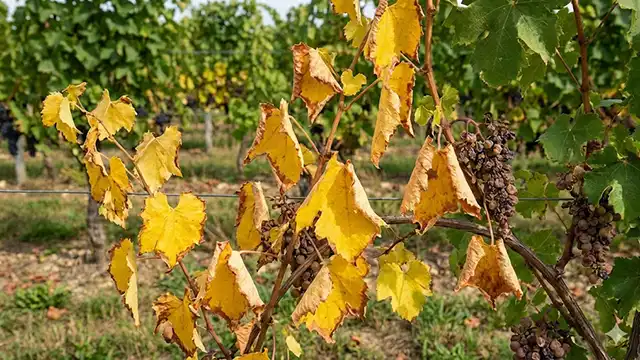
Zlaté žltnutie viniča (Flavescence dorée – FD) patrí medzi najzávažnejšie ochorenia viniča v Európe. Hoci sa navonok prejavuje symptomatickým žltnutím listov a postupným chradnutím krov, v skutočnosti ide o komplexný biologický proces, v ktorom zohráva hlavnú úlohu vysoko špecializovaný vnútrobunkový mikroorganizmus – fytoplazma.
Čo je fytoplazma a ako vyvoláva Zlaté žltnutie viniča?
Pôvodcom ochorenia je fytoplazma – mikroskopický organizmus fylogeneticky príbuzný baktériám, patriaci do triedy Mollicutes. Na rozdiel od väčšiny bežných baktérií fytoplazmy vykazujú špecifické biologické charakteristiky:
- absencia bunkovej steny (ohraničené sú len plazmatickou membránou),
- obligátny parazitizmus – nedokážu prežiť mimo hostiteľskej rastliny alebo hmyzieho vektora,
- výrazne redukovaný genóm a obmedzené metabolické schopnosti, čo ich robí úplne závislými od hostiteľa.
Fytoplazma kolonizuje výlučne floém (lyko), teda vodivé pletivá, ktorými rastlina rozvádza asimiláty (cukry). V týchto cievach nielen čerpá živiny, ale svojou prítomnosťou a množením mechanicky aj fyziologicky narúša transport látok. Keďže fytoplazmy sú v laboratórnych podmienkach nekultivovateľné (in vitro), väčšina poznatkov o ich biológii pochádza z pokročilých analýz DNA.
Redukovaný genóm: Evolučná špecializácia na prežitie
Genóm fytoplazmy vyvolávajúcej FD je mimoriadne malý – obsahuje približne 650-tisíc párov báz, čo predstavuje len zlomok veľkosti genómov bežných baktérií. V dôsledku evolučnej redukcie jej chýbajú kľúčové metabolické dráhy potrebné na syntézu esenciálnych látok, ako sú aminokyseliny či mastné kyseliny. Táto genetická limitácia ju robí úplne závislou od metabolizmu hostiteľa.
Na druhej strane si fytoplazma zachovala vysoko efektívny súbor génov, ktoré jej umožňujú:
- aktívny a vysoko selektívny príjem živín z floému hostiteľskej rastliny,
- produkciu špecifických transportných proteínov,
- získavanie energie prostredníctvom glykolýzy (rozkladu cukrov).
Tento stav je ukážkovým príkladom evolučnej špecializácie. Patogén si ponechal výhradne genetickú výbavu nevyhnutnú na prežitie a reprodukciu v dvoch diametrálne odlišných organizmoch: vo viniči (rastlinný hostiteľ) a v hmyzom vektore (živočíšny hostiteľ).
Patofyziológia: Ako dochádza k poškodeniu viniča?
Infekcia fytoplazmou spôsobuje zásadné narušenie fyziologických procesov v celom organizme rastliny. Kľúčovými prejavmi sú:
- narušený transport asimilátov (cukrov) vo floéme (lyku),
- nadmerné hromadenie škrobu v listových pletivách (spôsobuje ich krehnutie a zmenu farby),
- upchávanie sitkovíc kalózou, čo vedie k postupnému kolapsu vodivého systému,
- systémová hormonálna nerovnováha.
Vinič na prítomnosť patogéna reaguje aktiváciou obranných mechanizmov, ako je napríklad zvýšená syntéza kyseliny salicylovej. Fytoplazma však dokáže tieto imunitné reakcie hostiteľa čiastočne potlačiť alebo modifikovať vo svoj prospech. Priamym dôsledkom je postupné chradnutie krov, nedostatočné vyzrievanie dreva a drastické zníženie úrodnosti, ktoré môže viesť až k úhynu rastliny.
Scaphoideus titanus – kľúčový článok v reťazci infekcie
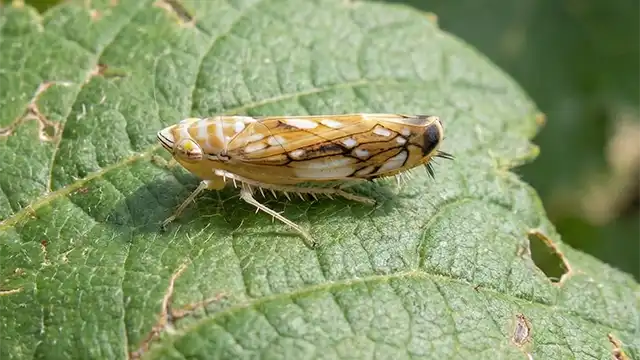
Fytoplazma FD sa v prírode neprenáša mechanicky (napr. rezom), ani prostredníctvom pôdy. Jej jediným a vysoko efektívnym prenášačom je cikádka viničová (Scaphoideus titanus). Tento hmyz je v podmienkach Európy monofágny, čo znamená, že celý svoj životný cyklus absolvuje výlučne na viniči.
Mechanizmus prenosu a infekčný cyklus
Prenos patogénu z rastliny na rastlinu je zložitý biologický proces, ktorý prebieha v troch fázach:
- Akvizičné sanie: Nymfy (larvy) alebo dospelé jedince cikádky sajú šťavu z floému infikovaného kra a spolu s ňou prijímajú aj fytoplazmy.
- Latencia a multiplikácia: Fytoplazma musí prekonať črevnú bariéru hmyzu, preniknúť do hemolymfy a následne sa namnožiť v slinných žľazách. Tento proces trvá približne 4 až 5 týždňov, počas ktorých hmyz ešte nie je infekčný.
- Inokulácia: Po uplynutí inkubačnej doby sa cikádka stáva permanentným nosičom. Pri každom ďalšom saní na zdravej rastline vstrekuje fytoplazmy spolu so slinami priamo do cievnych zväzkov viniča.
Evolučný paradox: Od jelší k vinohradom
Zaujímavým faktom je, že fytoplazmy príbuzné FD sú v európskom ekosystéme pôvodné. Prirodzene sa vyskytujú v hostiteľoch ako jelša (Alnus spp.) alebo plamienok (Clematis vitalba), kde však nespôsobujú devastačné príznaky. Skutočná epidémia vo vinohradoch vypukla až po náhodnej introdukcii severoamerickej cikádky Scaphoideus titanus do Európy (pravdepodobne už na prelome 19. a 20. storočia spolu s americkými podpníkmi). Ochorenie však bolo oficiálne identifikované a popísané až v 50. rokoch 20. storočia vo Francúzsku. Až spojenie európskeho patogénu a nového, vysoko mobilného prenášača vytvorilo smrteľnú kombináciu pre európsky vinič.
Prečo listy menia farbu? Mechanizmus „zlatého“ žltnutia
Typické sfarbenie listov pri infekcii fytoplazmou FD nie je len estetickou zmenou, ale priamym dôsledkom narušeného metabolizmu chlorofylu a nežiaducej akumulácie asimilátov.
- Degradácia chlorofylu: Fytoplazma kolonizuje a blokuje transportné pletivá vo floéme (lyku). To vedie k postupnému rozkladu zeleného farbiva (chlorofylu). Keď zelená farba zmizne, vizuálne sa prejavia iné rastlinné pigmenty, ktoré boli dovtedy prekryté.
- Hromadenie antokyanov a flavonoidov: V dôsledku upchatých cievnych zväzkov sa v listoch hromadia cukry (asimiláty), ktoré nemôžu prirodzene odtekať do koreňov alebo hrozna. Tento prebytok cukrov spúšťa nadmernú biosyntézu flavonoidov (pri bielych odrodách) a antokyanov (pri modrých odrodách).
Vizuálny efekt:
- Pri bielych odrodách listy nadobúdajú kovovo žltý až „zlatistý“ odtieň, pričom žilnatina často zostáva zelená.
- Pri modrých odrodách listy intenzívne červenajú až purpurovejú.
Okrem zmeny farby dochádza k typickému skrúcaniu okrajov listov smerom nadol (tzv. trojuholníkový efekt) a ich výraznému krehnutiu. Pri stlačení sa list v ruke neláme s typickým šušťaním, ale praská ako tenké sklo. Ide o kľúčový diagnostický znak, ktorý odlišuje FD od fyziologického nedostatku horčíka alebo iných metabolických porúch.
Symptómy na letorastoch a strapcoch
Aby bola diagnostika v teréne kompletná, vinohradník musí sledovať aj prejavy na dreve a vyvíjajúcej sa úrode. Práve tu sa fytoplazmóza FD prejavuje najdevastujúcejšie.
Letorasty: Fenomén „gumovatenia“
- Nedostatočné vyzrievanie dreva: Infikované letorasty zostávajú zelené, mäkké a neprirodzene ohybné aj v období, keď by už mali drevnatieť (august – september).
- Strata pevnosti: Letorasty majú tendenciu prevísať smerom k zemi (gumovatejú).
- Čierne škvrny: Na kôre sa často objavujú drobné čierne bodky (pustuly) usporiadané v pozdĺžnych radoch.
- Vymŕzanie: Keďže pletivá nie sú dostatočne vyzreté a pripravené na zimu, takéto výhony pri prvých mrazoch spravidla celé sčernejú a odumierajú.
Strapce: Úplná strata úrody
Fytoplazma útočí priamo na hospodársky výsledok pestovateľa. Príznaky na strapcoch závisia od času, kedy došlo k infekcii:
- Skorá infekcia: Ak je ker napadnutý pred kvitnutím alebo počas neho, súkvetia často úplne vyschnú a opadnú (tzv. abortácia).
- Neskorá infekcia: Ak dôjde k prenosu neskôr, bobule sa prestávajú vyvíjať, zostávajú kyslé, scvrkávajú sa a nadobúdajú horkastú chuť. Strapina často predčasne usychá, čo vedie k úplnému znehodnoteniu hrozna.
Čo je dôležité pre vinohradnícku prax:
- Diagnostika: Kombinácia skrútených farebných listov a gumovitých zelených prútov v septembri je takmer stopercentným dôkazom prítomnosti fytoplazmózy (najmä FD alebo Stolbur).
- Hospodársky dopad: Choroba nelikviduje len aktuálnu úrodu, ale v priebehu 2–3 rokov dokáže úplne zničiť celú rastlinu.
Ochrana a legislatívne povinnosti vinohradníka
Zlaté žltnutie viniča – Flavescence dorée (FD) nie je bežná choroba, ktorú je možné vyriešiť štandardným systémom ochrany. Jedinou cestou je prevencia a likvidácia prenášača, pretože infikovaný ker je už stratený. Ide o karanténny škodlivý organizmus, ktorého podozrenie na výskyt je pestovateľ zo zákona povinný nahlásiť príslušnému kontrolnému úradu (ÚKSÚP). Pri potvrdení ohniska nákazy sa vyhlasujú prísne fytosanitárne opatrenia, ktoré môžu zahŕňať aj nariadenú likvidáciu infikovaných krov alebo v krajnom prípade celých častí vinohradu.
Základné piliere ochrany
- Prevencia a certifikovaná sadba: Najčastejším spôsobom zavlečenia nákazy FD do novej oblasti je nákup infikovaného množiteľského materiálu. Základom je používať výhradne certifikované sadenice s platným rastlinným pasom. Vysoko účinnou metódou ozdravovania sadiva je termoterapia (krátkodobé ošetrenie horúcou vodou), ktorá fytoplazmu v pletivách spoľahlivo eliminuje.
- Regulácia vektora (Scaphoideus titanus): Keďže fytoplazmu v napadnutých rastlinách v súčasnosti nevieme liečiť, ochrana sa sústreďuje na prerušenie infekčného reťazca potlačením populácie cikádky viničovej ako prenášača.
- Monitoring: Pravidelné sledovanie výskytu nymf na spodnej strane listov (máj/jún) a monitoring dospelcov pomocou žltých lepových doštičiek (júl/august).
- Insekticídna ochrana: Cielené postreky v čase maximálneho výskytu nymf 3. instaru. V tomto štádiu je hmyz najzraniteľnejší a spravidla ešte nie je schopný šíriť nákazu, pretože v jeho tele prebieha povinná inkubačná doba (latencia) patogénu.
- Likvidácia rezervoárov infekcie: Fytoplazma a jej vektor často prežívajú v opustených vinohradoch alebo na divo rastúcom viniči v okolí produkčných plôch. Systematické odstraňovanie týchto zdrojov nákazy je nevyhnutné pre ochranu produkčných plôch.
- Kolektívna zodpovednosť: Ochrana proti FD je účinná len vtedy, ak ju vykonávajú všetci vinohradníci v danej oblasti súčasne. Jediný neošetrený vinohrad v susedstve môže slúžiť ako trvalý zdroj novej infekcie pre celú oblasť.
Genetická variabilita a agresivita patogénu
Moderné molekulárne analýzy potvrdili existenciu viacerých genetických skupín fytoplazmy FD. Jednotlivé kmene sa líšia svojou virulenciou (agresivitou) – kým niektoré spôsobujú bleskový priebeh ochorenia s rýchlym úhynom krov, iné majú miernejší dopad na fyziológiu viniča. Práve táto genetická diverzita vysvetľuje rozdiely v intenzite a rýchlosti šírenia epidémií medzi jednotlivými regiónmi Európy.
Prečo neexistuje priama kuratívna liečba?
Fytoplazmy sú obligátne vnútrobunkové parazity žijúce priamo vo floéme. Ich lokalizácia vo vnútri rastlinných buniek extrémne sťažuje akýkoľvek priamy terapeutický zásah. Keďže používanie antibiotík v poľnohospodárskej prvovýrobe je legislatívne zakázané, prax sa musí opierať o nasledujúce fakty:
- neexistuje prípravok, ktorý by dokázal eliminovať fytoplazmu v už infikovanom kre,
- jediným riešením pri silnej infekcii je eradikácia (úplné odstránenie a spálenie) napadnutých rastlín,
- ťažisko ochrany sa presúva na elimináciu hmyzieho vektora.
Genetika ako nástroj budúcej ochrany
Súčasný výskum DNA fytoplaziem odhaľuje zložité mechanizmy, ktorými sa patogén viaže na črevné epitelové bunky hmyzu a následne manipuluje imunitné reakcie viniča. Tieto poznatky otvárajú dvere novým metódam ochrany, ako sú:
- šľachtenie rezistentných genotypov viniča, ktoré nebudú pre fytoplazmu vhodným hostiteľom,
- biotechnologické metódy zamerané na blokovanie prenosu patogénu v tele vektora,
- využitie špecifických biologických antagonistov na elimináciu prenášača.
Zlaté žltnutie viniča je príkladom evolučne vysoko špecializovaného patogénu, ktorý dokáže rafinovane využívať biologické procesy rastliny aj hmyzu. Hoci ide o „neviditeľného“ nepriateľa, moderná molekulárna biológia postupne odhaľuje jeho stratégie, čo je základom pre efektívnu prevenciu a dlhodobú stabilitu európskych vinohradov.
Zhrnutie pre prax
Zlaté žltnutie viniča predstavuje pre európske vinohradníctvo existenčnú hrozbu. Kombinácia neviditeľného, vnútrobunkového patogénu a vysoko mobilného prenášača vyžaduje od vinohradníka maximálnu bdelosť. Pravidelný monitoring symptómov (skrútené farebné listy, gumovatenie dreva, usychanie strapcov) a dôsledný boj proti cikádke viničovej sú v súčasnosti jedinými cestami, ako uchrániť vinohrad pred devastačnými následkami tejto choroby.