



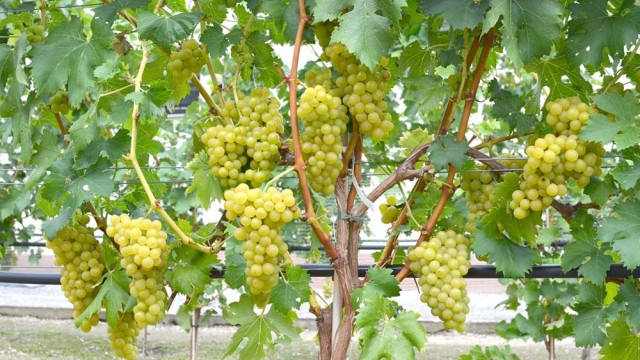
Hybridný stolový vinič predstavuje perspektívny smer, ktorý spája odolnosť, skoré dozrievanie, regeneráciu po mrazoch a vysokú chuťovú kvalitu. Pre záhradkárov a pestovateľov v chladnejších regiónoch ide o praktickú cestu k stabilnej úrode s minimom chemických zásahov.
Nová generácia hybridných odrôd stolového viniča posúva hranice pestovania čoraz hlbšie do klimaticky chladnejších regiónov. Tieto moderné šľachtence v sebe spájajú vysokú odolnosť voči hubovým chorobám, skoré dozrievanie, vynikajúcu regeneračnú schopnosť po mrazoch a atraktívne senzorické vlastnosti.
Moderné šľachtenie a posúvanie hraníc pestovania
Súčasné šľachtenie stolového viniča sa systematicky zameriava na rozširovanie pestovateľských možností do oblastí, ktoré boli v minulosti považované za nevhodné. Využitím genofondu mrazuvzdorných divorastúcich druhov, predovšetkým Vitis amurensis (vinič amurský), sa podarilo vytvoriť novú generáciu hybridných odrôd. Tie v sebe kombinujú komplexnú rezistenciu voči patogénom, skorú fenofázu dozrievania a kvalitu plodov, ktorá je plne porovnateľná s tradičnými južnými odrodami.
Výsledkom niekoľko desaťročí trvajúceho šľachtiteľského úsilia je sortiment, ktorý spĺňa vysoké nároky záhradkárov aj komerčných pestovateľov v podmienkach, kde bolo dozrievanie hrozna v minulosti neisté alebo technicky nemožné.
Zdravá listová plocha: Základ kvality a vitality
Zachovanie dostatočnej a funkčnej asimilačnej plochy je rozhodujúcim faktorom pre finálnu kvalitu stolového hrozna. Listy poškodené peronospórou (Plasmopara viticola) alebo múčnatkou (Erysiphe necator) strácajú schopnosť efektívnej fotosyntézy. Hoci rastlina na stratu listov reaguje tvorbou zálistkov (sekundárnych výhonov), tento proces predstavuje nežiaducu energetickú záťaž, ktorá negatívne ovplyvňuje:
- akumuláciu cukrov v bobuliach,
- optimálny pomer cukrov a organických kyselín,
- vyzrievanie jednoročného dreva (dôležité pre mrazuvzdornosť),
- komplexné chuťové a aromatické vlastnosti.
Odrody s geneticky podmienenou rezistenciou si dokážu udržať zdravý listový aparát aj pri minimálnej chemickej ochrane. To je kľúčový benefit pre záhradkárov, ktorí preferujú ekologický prístup a minimalizáciu postrekov.
Skorosť dozrievania v okrajových lokalitách
V chladnejších regiónoch predstavuje neskoré dozrievanie zásadné pestovateľské riziko. Odrody s dlhou vegetačnou dobou nie sú pre tieto oblasti vhodné, pretože v nepriaznivých ročníkoch nedokážu dosiahnuť technologickú zrelosť.
Hybridné stolové odrody, selektované a preverené v procese šľachtenia, sa vyznačujú vysokou intenzitou fotosyntézy a rýchlou dynamikou metabolickej premeny organických kyselín na glukózu a fruktózu. Tento urýchlený proces dozrievania umožňuje:
- spoľahlivé dozrievanie už v polovici augusta alebo aj skôr,
- dosiahnutie vysokej cukornatosti aj pri nižšej sume aktívnych teplôt (SAT),
- garanciu špičkovej kvality a skvelej chuti hrozna aj mimo tradičných vinohradníckych oblastí.
Odolnosť a regenerácia po neskorých jarných mrazoch
Neskoré jarné mrazy prichádzajú často v období, keď je vinič už vo fáze pučania alebo intenzívneho rastu. Ak v tomto čase zlyhá fyzikálna ochrana (napr. zadymovanie či protimrazová závlaha), hrozí totálna strata úrody.
Jednou z unikátnych vlastností moderných hybridov s genofondom Vitis amurensis je vysoká regeneračná schopnosť. Primárne letorasty poškodené mrazom dokáže rastlina rýchlo nahradiť tak, že po skončení chladnej periódy vypučí zo záložných púčikov. Tie u týchto šľachtencov často nesú základy plnohodnotnej úrody, čo pri klasických európskych odrodách nie je pravidlom.
Pri veľmi skorých odrodách sa fenofáza dozrievania po jarnom namrznutí zvyčajne posunie o 10 až 14 dní. Vďaka ich genetickej povahe však hrozno aj v takomto prípade stihne spoľahlivo dozrieť do príchodu jesenných mrazov. Naopak, neskoré odrody v okrajových podmienkach po takejto regenerácii už technologickú zrelosť nedosiahnu.
Výnimočná chuť nie je náhoda
Chuťový profil je pri stolovom viniči prioritná vlastnosť. Nové hybridné genotypy preto prechádzajú prísnym senzorickým hodnotením. Ak odroda nespĺňa vysoké kvalitatívne nároky, do ďalšieho množenia sa nezaradí.
Do sortimentu sú cieľavedome vybrané genotypy s ušľachtilou muškátovou alebo ovocnou arómou. Rozhodujúcim faktorom úspechu je využitie druhu Vitis amurensis ako zdroja mrazuvzdornosti a odolnosti. Na rozdiel od druhu Vitis labrusca totiž tento genetický základ nevnáša do výsledných krížencov nežiaducu „líščiu“ pachuť, známu zo starších francúzsko-amerických hybridov. Výsledkom sú moderné odrody s harmonickou chuťou, ktoré sú plne prispôsobené chladným oblastiam.
Čo očakávať od hybridného stolového hrozna?
Do procesu množenia a následnej distribúcie sú zaraďované výhradne odrody, ktoré preukázali nasledujúce vlastnosti:
- Komplexná rezistencia: Vysoká odolnosť voči peronospóre a múčnatke, ktorá zabezpečuje funkčnú listovú plochu a garantuje každoročnú akumuláciu vysokého obsahu cukrov.
- Adaptačná schopnosť: Spoľahlivé dozrievanie v chladnejších oblastiach, a to aj v klimaticky nepriaznivých ročníkoch.
- Vysoká regenerácia: Schopnosť priniesť úrodu zo záložných púčikov aj po deštrukcii mladých letorastov neskorými jarnými mrazmi.
- Produkčný potenciál: Skorý nástup do plodnosti a vysoká úrodnosť (v priaznivých podmienkach s tendenciou k tvorbe druhej úrody zo zálistkov).
- Senzorická kvalita: Výborná chuť, ktorá je v plnej harmónii s atraktívnym vizuálnym vzhľadom hrozna.
Alternatíva k syntetickým fungicídom v záhradkárskej praxi
Hoci sú syntetické fungicídy v konvenčnej vinohradníckej praxi štandardom, pri stolovom hrozne určenom na priamu konzumáciu je z praktického aj preventívneho hľadiska prioritou minimalizácia chemických vstupov.
Odolné odrody umožňujú nahradiť intenzívne schémy ošetrovania environmentálne šetrnejším prístupom. Podľa aktuálneho infekčného tlaku postačuje aplikácia prípravkov na báze anorganickej medi a síry, ideálne v kombinácii s listovým hnojivom Mikromax.
V ampelografickom vinohrade v Limbachu sa už pri troch aplikáciách hnojiva Mikromax počas vegetácie dosiahli signifikantné výsledky:
- zníženie výskytu perenospóry o 80 % v porovnaní s neošetrenou kontrolou,
- zníženie výskytu múčnatky o 60 % v porovnaní s neošetrenou kontrolou.
Tento vedľajší fungicídny efekt (fungistatický účinok) je spojený so špecifickým obsahom mikroelementov, ako sú meď, železo, horčík, mangán, zinok a molybdén, ktoré priamo posilňujú mechanické bariéry a imunitnú odozvu pletív viniča.
Kedy je pestovanie bez chemickej ochrany reálne?
Úspech pestovania bez syntetických prípravkov závisí od konkrétneho prostredia, predovšetkým od mikroklímy stanovišťa a priebehu meteorologických podmienok v danom ročníku. Ak sú podmienky mimoriadne priaznivé pre rozvoj patogénov, môže byť preventívny zásah opodstatnený, avšak počet ošetrení zostáva výrazne nižší v porovnaní s náchylnými európskymi odrodami.
Pri priemernom priebehu vegetačného roka, kedy vinič nie je vystavený extrémnym stresovým faktorom, je dosiahnutie plnohodnotnej úrody kvalitného stolového hrozna možné aj úplne bez chemickej ochrany.
Potenciál nížinných a podhorských regiónov
Najpriaznivejšie podmienky pre pestovanie stolového hrozna s minimálnym ošetrovaním poskytujú nížinné oblasti. Avšak aj v podhorských regiónoch strednej Európy je takéto pestovanie reálne, pokiaľ si pestovateľ zvolí odrody s najvyšším stupňom genetickej rezistencie. V praxi sa takéto genotypy často klasifikujú ako „odrody viniča do extrémnych pestovateľských podmienok“.
Moderný hybridný stolový vinič predstavuje perspektívny smer, ktorý v sebe spája vysokú odolnosť, skorú fenofázu dozrievania, regeneračnú schopnosť po mrazoch a špičkovú senzorickú kvalitu. Pre záhradkárov a pestovateľov v chladnejších regiónoch ide o praktickú a udržateľnú cestu k stabilnej úrode s minimálnymi chemickými vstupmi.